


Understanding New Solar Tax Credit Rules
The One Big Beautiful Bill Act, signed into law on July 4, 2025, has changed the solar energy game in the United States. For homeowners, the most important update is simple but significant. The 30 percent federal tax credit for solar panel installation ends on December 31, 2025. Unlike what many expected, there will be no gradual phase-out. The tax credit disappears entirely. This makes timing critical. Installing solar panels before the deadline helps reduce the total system cost by almost a third.
Businesses face a more complex situation. They can still benefit from tax credits if their solar projects begin construction within 60 days of the bill’s passage. These projects must be completed by the end of 2028. However, stricter rules now apply. Foreign entities are restricted, and only U.S.-made components qualify for tax credits. These new regulations mean businesses must pay closer attention to their suppliers and construction timelines. Missing any compliance requirement could disqualify the project from incentives.
Table of Contents
- How the Bill Affects Solar Panel Installation Costs
- State Incentives and Battery Backup Systems
- What Homeowners and Businesses Must Do Now
- The Bottom Line
- FAQs
How the Bill Affects Solar Panel Installation Costs
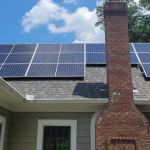
The financial impact of the new rules is straightforward. Take the typical 11-kilowatt solar system priced at approximately $30,000. Before the law change, homeowners could claim a 30 percent tax credit, lowering the net cost to about $21,000. This resulted in monthly savings of around $180 to $220, depending on utility rates. After December 31, 2025, the same system would cost the full $30,000 with no federal tax credit.
EnergySage reports that solar equipment prices hit a record low of $2.50 per watt in late 2024. Yet, without federal incentives, these low prices don’t lead to the same level of affordability. This shift means the time needed to recoup your investment will now stretch from about 8–10 years to 15–20 years. Homeowners with limited tax liability may not benefit much from the tax credit, but for those with sufficient income taxes, it is a valuable saving.
Businesses must also weigh these new costs carefully. The extra documentation needed to prove compliance, especially related to foreign entities and domestic content rules, adds administrative costs. However, meeting the deadlines preserves the possibility of tax credits, which can still significantly lower installation expenses.
State Incentives and Battery Backup Systems
Even though federal tax credits are ending, state and local incentives remain useful tools for reducing solar installation costs. Many states offer rebates, performance-based incentives, or property tax exemptions. These programs help fill the gap left by federal support and provide additional savings for both homeowners and businesses.
Battery storage is another game-changer. Installing a battery system alongside solar panels enhances energy savings. Batteries store surplus energy during low-cost periods and supply power when electricity rates spike. This can reduce reliance on the grid and lower energy bills further. In California and similar states, where utility prices have been rising for years, adding a battery is especially smart.
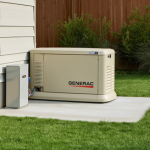
Battery systems also improve energy security. They keep homes and businesses powered during outages without the noise or maintenance that come with traditional generators. In 2023, about 12 percent of solar installations included battery systems. Experts project that by 2028, this number will reach nearly 28 percent.
Consulting a professional installer helps you understand eligibility for local programs and how to integrate a battery system effectively. These experienced providers manage permits and guide you through changing regulations, offering peace of mind along with financial benefits.
What Homeowners and Businesses Must Do Now
Homeowners face a simple choice: install solar before December 31, 2025, to claim the full 30 percent federal tax credit. Waiting is costly. The longer they wait, the more their energy bills will rise, with annual household energy expenses expected to climb by around $110 or more. In some states, increases may exceed $200 per year.
Businesses need to act even faster. Construction must start within 60 days of the law’s enactment to qualify for tax credits. Delays may lead to disqualification. They also need to carefully review their supply chains to avoid involvement with foreign entities deemed a security risk. Documenting every step of this process is crucial.
Professional solar installers are valuable in this process. They help customers understand financing options, regulatory compliance, and installation scheduling. Experienced providers handle permit processing, system design, and compliance checks, making solar panel installation far less stressful.
Third-party ownership models like leases and Power Purchase Agreements remain options, but they typically offer lower long-term savings compared to owning your system. For those focused on maximizing return on investment, outright ownership remains the smarter path, especially while state and local incentives are still active.
The Bottom Line
The One Big Beautiful Bill Act changes the solar energy landscape. The 30 percent federal tax credit for residential solar will disappear at the end of 2025. Businesses must also work quickly to meet new deadlines and stricter rules. Waiting is no longer an option if you want to save money and reduce energy costs over time.
State incentives and battery storage solutions are powerful allies to offset costs. Yet, navigating the regulatory shifts requires expert help. Rocknoll Energy Systems specializes in simplifying the process. From selecting the right solar system to managing permits and meeting compliance, we help homeowners and businesses capture maximum savings while reducing headaches.
The clock is ticking. Act now to secure the tax credit, lower your energy bills, and invest in energy independence. Contact Rocknoll Energy Systems today and let us help you get the most from your solar panel installation.