


The New Federal Solar Tax Credit Deadline
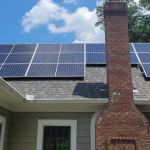
A major change is happening for homeowners interested in solar power. The 30 percent residential solar tax credit ends on December 31, 2025. This tax credit has been one of the biggest incentives for home solar installation for years. Now, with the new law signed into effect on July 4, 2025, homeowners must have their solar system fully installed and operational before the deadline to claim the credit. This change applies to both solar panels and home battery storage solutions.
Until now, the tax credit offered a dollar-for-dollar reduction on federal tax bills, equal to 30 percent of a system’s cost. It allowed families to reduce the upfront investment needed to switch to solar energy. But the opportunity is disappearing soon. That means if you have been delaying your solar installation, the time to act is right now. Waiting could result in missing out on significant savings.
Table of Contents
- Why 2025 Is the Year for Residential Solar Installation
- How Rising Utility Rates Impact Your Energy Bills
- Battery Storage: A Smart Addition to Solar Systems
- The Bottom Line: Take Action Today
- FAQs
Why 2025 Is the Year for Residential Solar Installation
Residential solar installation brings more than just savings. It gives homeowners control over their energy supply. By generating electricity at home, you reduce reliance on the power grid and protect yourself from future utility rate increases. This independence is even more important as utility costs are rising sharply across Illinois and Missouri.
Ameren Illinois announced an 18 to 22 percent summer bill increase effective June 1, 2025. Similarly, ComEd residential customers will see average monthly increases of 10 dollars and 60 cents starting the same time. Ameren Missouri also gained approval for a 15 percent rate hike, and the situation shows no signs of slowing down.
With solar installation, you lock in your energy rates. Once your system is set up, you produce your own power at a predictable cost. That offers peace of mind and financial stability over the long term. Every month you postpone solar installation is another month of rising energy bills and lost tax credit savings.
Demand for solar is already surging as the 2025 deadline approaches. Providers like Rocknoll Energy Systems have seen a spike in interest from homeowners wanting to take advantage of the tax credit. Acting now means securing your place in the installation queue and making the most of government incentives.
How Rising Utility Rates Impact Your Energy Bills
Utility rate increases are not a temporary issue. They reflect a broader shift in the energy market and regulatory changes in Illinois and Missouri. These rising costs make solar power a more compelling choice.
Ameren Illinois’s announcement to raise total bills by up to 22 percent during summer months is a direct hit to homeowners trying to keep expenses low. The new Missouri law also allows utility companies to charge customers for Construction Work in Progress before new power plants are completed. These costs pass directly to the consumer.
When you choose solar installation, you avoid these unpredictable costs. Your monthly energy production comes from your own solar panels. As utility companies raise their prices, your solar system keeps delivering clean energy at the same low rate established when it was installed. Over time, this can mean thousands of dollars saved in energy bills.
Solar does more than save money. It reduces reliance on fossil fuels and contributes to cleaner air and a healthier environment. Each solar panel installed adds to local energy resilience, giving families a stronger energy future. The 2025 tax credit is a one-time opportunity to lower your upfront investment, making the decision smarter than ever.
Battery Storage: A Smart Addition to Solar Systems
Pairing your solar panels with battery storage enhances the benefits of solar installation. Batteries store excess energy generated during the day, giving you backup power when needed. That becomes critical during power outages or at night when your panels are not producing energy.
Battery storage offers another layer of control. Instead of selling excess energy back to the grid at low rates, you can store it for later use. This approach maximizes the value of your solar investment. Homeowners gain more energy independence and further reduce their electricity bills.
Moreover, batteries make solar systems more efficient. They ensure that no energy goes to waste. With proper energy storage, your home becomes less dependent on utilities and more resilient against grid failures or rate hikes.
Given the upcoming end of the 30 percent residential solar tax credit, combining solar with battery storage makes even more sense. The tax incentive applies to both solar panels and batteries, making the total system more affordable than ever if installed before the deadline.
The Bottom Line: Take Action Today
With the new federal law eliminating the 30 percent tax credit after December 31, 2025, the time to act is now. Every day you delay means risking higher energy bills and missing out on one of the most significant financial incentives for residential solar installation.
Rocknoll Energy Systems offers full support for your solar project, from permitting to interconnection. We help homeowners manage the installation process smoothly and get the most from their investment. By acting today, you not only benefit from lower upfront costs but also lock in predictable energy rates that save money for years.
Investing in solar is about more than incentives. It is about gaining energy independence and protecting your home from rising utility expenses. With battery storage, you also get added resilience and better control over your energy use.
Now is the best time to take action. The tax credit disappears after this year, and demand is high. Secure your spot with Rocknoll Energy Systems to ensure your solar installation is completed on time and within budget. Make the switch to solar today and start saving immediately.